MORPC Releases Annual Report On Central Ohio Air Quality

2025 End-of-Season Report Highlights Regional Air Quality Trends, Key Influences, and Steps Residents Can Take to Protect Their Health

The Mid-Ohio Regional Planning Commission (MORPC) has released its annual End of the Season Air Quality Report. The report analyzed air quality trends from November 2024 to October 2025.
 
The report provides an in-depth analysis of air quality conditions, key factors influencing air quality, and steps the public can take to improve regional air conditions and protect their health.
 
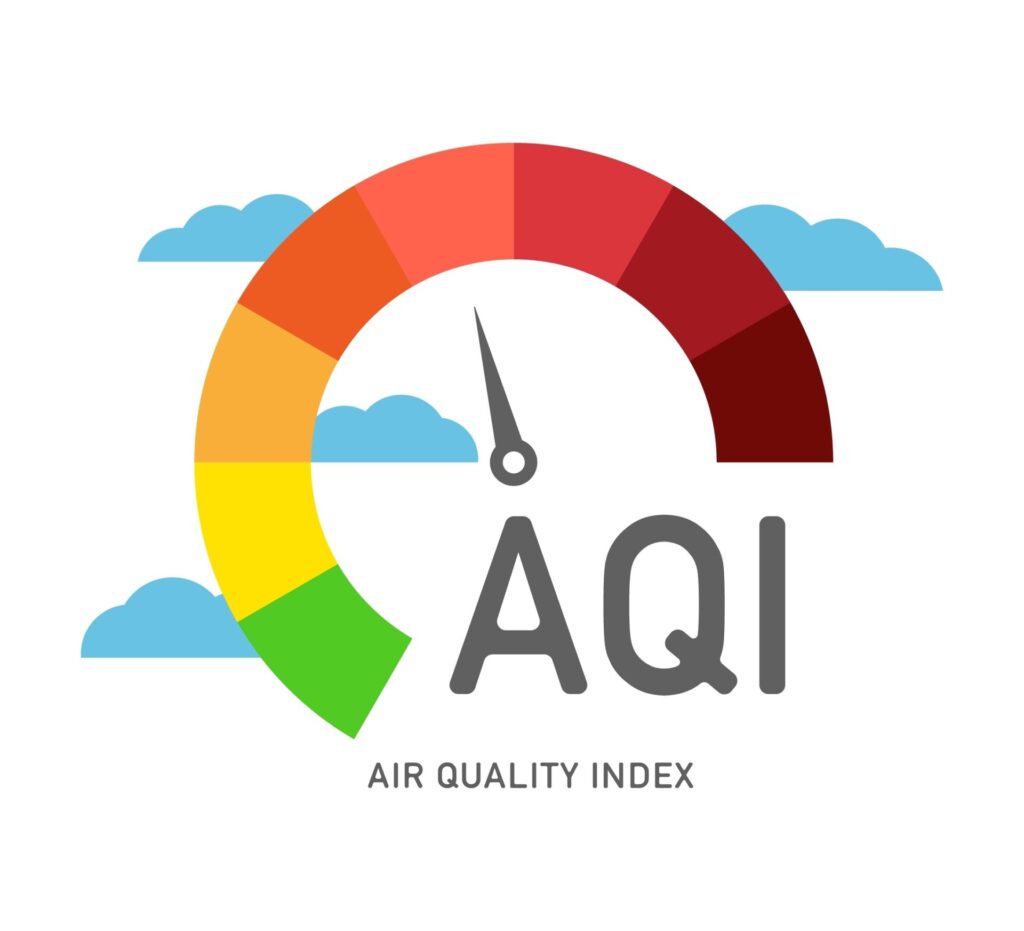
As part of a national network of air quality monitoring agencies, MORPC provides daily air quality forecasts using the Air Quality Index (AQI) and issues public notifications when ground-level ozone and particle pollution (or PM2.5) reach unhealthy levels. On Air Quality Alert days, sensitive groups—including children, older adults and individuals with respiratory conditions such as asthma—may experience symptoms like shortness of breath and wheezing.

“Clean air is critical to the daily quality of life of our residents. By providing consistent, data-driven monitoring, we empower our community to take proactive steps to protect their health as environmental conditions change. This information is a vital tool for our communities, helping them stay informed and safe throughout the year.”

Key Findings from the 2024-2025 Report
 
  • Mixed Results for Pollution: While 76% of days saw “Good” ozone levels (up from 72%), fine particle (PM2.5) “Good” days dropped from 65% to 55%, with the highest PM2.5 days influenced by Canadian wildfire smoke entering the region.
  • A Jump in Alerts: The region issued eight Air Quality Alerts this season—more than double the three alerts issued the previous year. However, the region experienced seven days reaching the Unhealthy for Sensitive Groups level or higher, with some unexpected USG days included. The difference is that Alerts are issued based on the forecasted conditions for the next day, similar to weather forecasts.
  • A Historic “Unhealthy” Day: For the first time in over a decade (since 2012), Columbus recorded a day where ozone levels were “Unhealthy” for all residents on June 12, 2025.
Factors Affecting Air Quality
 
Weather conditions played a significant role in seasonal air quality trends. Ground-level ozone is formed when pollution from vehicles and industry reacts in the presence of heat and sunlight and is monitored from March 1 – October 31. Warmer-than-average temperatures and below-normal precipitation throughout the year contributed to elevated ozone levels during the summer months.

“Our team is deeply committed to helping Central Ohio navigate the complexities of regional air quality. Whether through expanding our neighborhood monitoring networks or issuing timely alerts, our goal is to ensure every resident has the information they need to breathe easier. We are dedicated to working alongside local leaders and the public to foster a healthier, more sustainable region for everyone.”

MORPC is actively monitoring PM2.5 pollution at the neighborhood level throughout Franklin County to address data gaps and support local decision-making. In collaboration with Franklin County Public Health, MORPC has deployed 36 PurpleAir sensors across the county, providing real-time data available at purpleair.com. With more information, communities can be proactive about growth while minimizing public health risks from local pollution sources.
 
Residents can stay informed about unhealthy air quality conditions by signing up for Air Quality Alerts at Air Quality – MORPC.org.
 
Simple actions, like reducing vehicle pollution and avoiding outdoor burning on high-pollution days, can make a difference. Residents can also explore sustainable commuting options through Gohio Commute, MORPC’s program designed to reduce emissions by promoting carpooling, biking and public transit use.
 
To learn more about regional air quality trends and view the full report, visit Air Quality – MORPC.org

Sign up to receive our
News & Events

Newsletter Signup
First Name
Last Name